
What Is Roof Decking and Why Is It Essential?
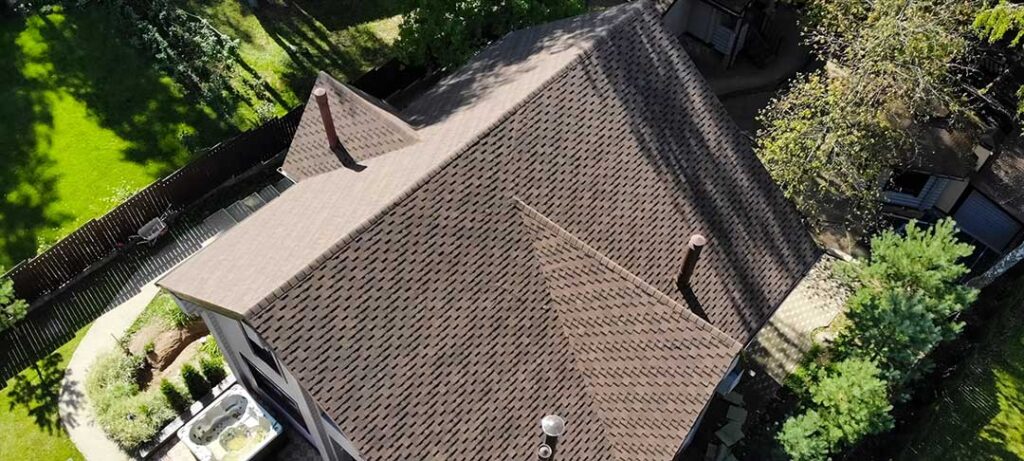
Roof decking, also called sheathing, forms the base layer between the structural framing of a roof and the outer roofing materials, such as shingles or metal panels. This layer supports the weight of the roofing and transfers loads to the frame, serving as a critical backbone for the entire roof assembly. In Penfield, NY, where homes endure a mix of snowy winters, heavy spring rains, and significant temperature swings, the condition of roof decking becomes even more important for long-term durability, safety, and comfort.
Decking also creates a flat, stable foundation that ensures roofing materials are installed evenly and securely. Without sound decking, even high-quality shingles or underlayment won’t perform as expected.
What Types of Roof Decking Are Used in Local Homes?
Most area roofs use one of several common types of decking material:
- Plywood: Frequently seen in modern construction, plywood is durable and holds up well to moisture when properly maintained.
- Oriented Strand Board (OSB): Another popular choice, OSB is made from compressed wood strands and adhesives. It’s cost-effective and strong but may be less resistant to water compared to plywood if exposed for long periods.
- Plank Decking: Found in older homes, plank decking uses long wooden boards, often visible in attics of historic Penfield houses. While sturdy, it can shrink, warp, or develop gaps over time.
The selected material depends largely on the home’s age, local building codes, and original construction standards.
How Can Residents Identify Problems with Roof Decking?
Roof decking is usually out of sight, but warning signs of trouble are visible in both the home’s interior and exterior. In Penfield, common clues include:
- Sagging or uneven rooflines visible from outside
- Soft spots or spongy-feeling areas when walking in the attic
- Water stains on ceilings or attic surfaces
- Persistent roof leaks or unexplained moisture
Snow accumulation is common here in winter; if ice dams form at the roof’s edge, trapped water can seep under the shingles and damage decking. Regular visual checks, especially after heavy storms or dramatic thaws, can help residents notice early warning signs.
What Factors Threaten Roof Decking in This Climate?
Several weather and environmental conditions in the city can negatively impact decking life:
- Heavy snow and ice: Prolonged coverage increases the risk of water infiltration, especially if attic insulation or ventilation is insufficient.
- Rapid freeze-thaw cycles: Temperature swings cause roofing materials to expand and contract, sometimes stressing decking and joints.
- Wind-driven rain: Gusty storms can push moisture past shingles, into seams, or beneath flashing, exposing decking to rot risk.
- High humidity or attic moisture: Poor airflow encourages mold and warps wooden decking from beneath.
Lack of proper attic ventilation is one commonly overlooked culprit that can hasten decking deterioration, particularly during humid summer months or long heating seasons.
What Are Typical Maintenance and Inspection Steps?
Residents can take basic steps to prolong deck life and catch issues early:
- Visually check for water stains in attics after big storms.
- Use binoculars from the ground to scan for dips or uneven shingle lines.
- In spring and fall, clear roof and gutter debris to reduce pooling water.
- Check for attic mold or musty odors, especially during humid spells.
- Maintain attic insulation and ensure vents are clear and functional.
- Have a qualified expert inspect the roof deck if there’s evidence of widespread leaks, structural sagging, or mold outbreak.
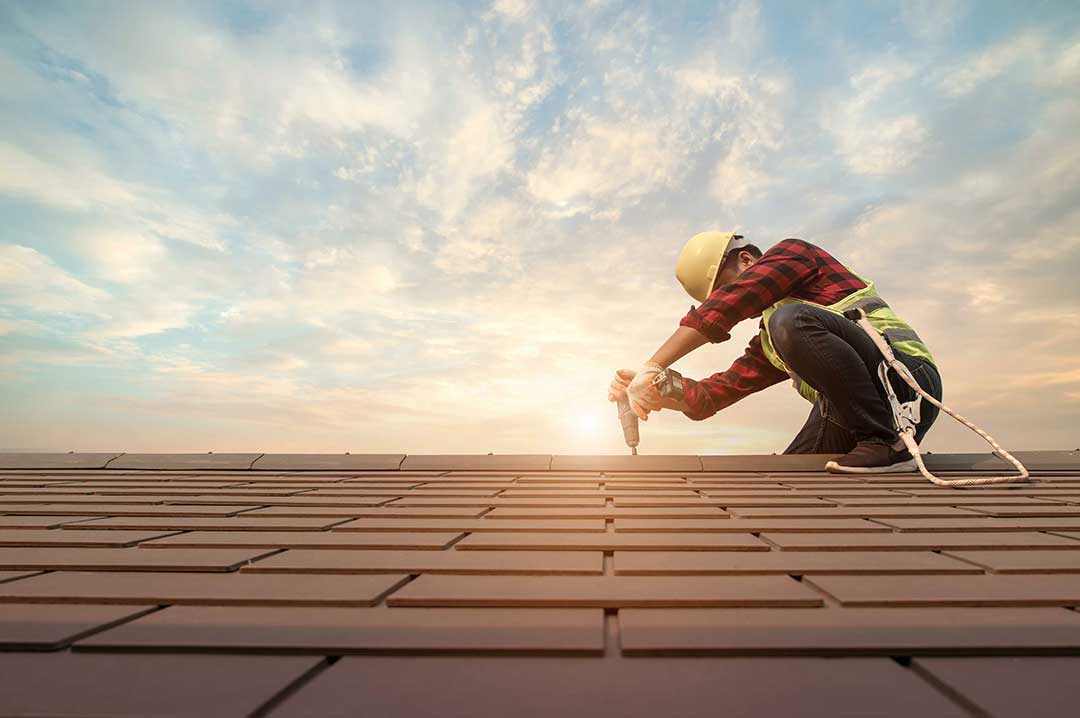
While decking problems rarely pose an emergency unless structural damage is severe or fire risk is present (such as with electrical issues from moisture), prompt attention to leaks or soft spots prevents more costly repairs later.
What Are Common Misconceptions About Roof Decking?
Many homeowners assume new shingles or surface repairs solve all roof issues. However, installing new materials over compromised decking may mask deeper rot, mold, or structural weakness. Another misconception is that if leaks are minor or attic stains are small, the decking beneath is undamaged. In reality, moisture can spread much farther than surface spots suggest, especially when insulation or vapor barriers are involved.
Additionally, area households sometimes believe that older homes with plank decking automatically require full replacement. Often, sections can be repaired rather than replaced if the issue is caught early.
How Do Local Building Codes Affect Roof Decking Choices?
The city follows New York State building codes, which set minimum standards for roof decking thickness, fastening methods, and material types. Generally:
- New decking must be at least 3/8" thick for plywood or OSB (sometimes thicker for heavier roofing systems).
- Fasteners must resist wind uplift typical in the area’s winter storms.
- Repairs or new installations must meet code standards to ensure structural safety.
If significant portions of a roof are replaced, code updates may require bringing the entire deck up to modern specifications, rather than only patching visible damage.
When Does Roof Decking Need Replacement Rather Than Repair?
Replacement is necessary when decking:
- Shows widespread rot, mold, or water damage
- Sags or has lost strength across large areas
- Is so warped or deteriorated that it cannot hold fasteners securely
- Contains signs of insect infestation or mold spreading to other attic structural elements
Localized soft spots, minor water stains, or damage from a single leak may only require replacing damaged sections. Full replacement is often considered in major remodels, after severe storms, or when upgrading insulation and ventilation systems.
In all cases, safety is paramount. If rotten decking creates a fall risk or structural hazard, professional assessment is prudent before attempting repairs.
