

How Do Severe Winds Damage Roofs in Penfield, NY?
High winds can put significant stress on local roofs, especially during spring and late fall when windstorms are most common. Winds gusting above 45 mph are not uncommon in this region, and these can exploit even minor weaknesses in roofing systems. Shingles, flashing, gutters, and downspouts are particularly exposed. The force of the wind can break the seal on asphalt shingles, lift edges, and eventually rip them away completely.
Roofs are most vulnerable at their edges and corners, where wind pressure is highest. A small opening, such as a loose shingle or slightly pulled-up flashing, often serves as an entry point for wind-driven rain or snow. In worst-case scenarios, strong enough gusts have been known to peel sections of roofing or dislodge gutters, setting the stage for leaks and water intrusion.
What Types of Roofs and Materials Are Most at Risk?
Both older roofs and those constructed with lightweight materials like three-tab shingles tend to experience more wind-related problems. In Penfield, most residential homes have asphalt shingle roofs, but there are also some neighborhoods with wood, metal, or tile roofing. Shingles nearing the end of their lifespan or those installed with too few fasteners are particularly at risk.
For example:
- Thin asphalt shingles can lose adhesion and bend upward, especially if installation did not follow local wind resistance guidelines.
- Heavier roofing like architectural shingles or metal panels generally fares better; however, improper installation or aging fasteners can still create vulnerabilities anywhere on a roof's surface.
Which Signs Indicate Wind Damage Has Occurred?
Damage from strong winds isn’t always obvious. Residents often don’t notice issues until water starts to enter the home. Common signs to watch for include:
- Missing, creased, or curling shingles
- Exposed underlayment or bare wood
- Bent or dislodged gutters
- Granule buildup at the base of downspouts (indicating shingle surface wear)
- Small branches or debris scattered across the roof, which might have caused minor punctures or dislodgement
Sometimes, attic inspections after a storm reveal wet insulation or daylight visible through roof decking seams — direct evidence wind-blown rain found its way under damaged roofing.
How Does the Local Climate in Penfield Influence Wind Damage?
Penfield’s seasonal patterns mean homes can face wind-related threats multiple times a year. Spring brings rapid weather changes and strong fronts, while autumn and early winter can usher in nor’easters and the lake effect. Trees near houses, common in the area’s suburban neighborhoods, represent an added hazard: even moderate winds can bring down twigs or loose limbs that strike vulnerable roof sections.
Heavy snowfall in winter can compound pre-existing wind damage. A shingle loosened during a windstorm may not show problems until ice dams form above it, leading to slow leaks by the time the snow melts.
What Are Common Misconceptions About Wind and Roof Damage?
One misconception in the community is that only exceptionally high winds (above 70 mph) cause significant problems. In reality, sustained lower-speed winds, especially over repeated events, can gradually degrade roofs. Residents sometimes believe that newer roofs are immune, but improper installation or unaddressed minor issues can leave even recent work exposed.
Another myth is that flat or low-slope roofs in the area aren’t affected. While they might not lose as many shingles as steep-pitched designs, strong winds can loosen roofing membranes or cause pooling, leading to leaks at seams or along edges.
What Should Local Homeowners Check After Strong Winds?
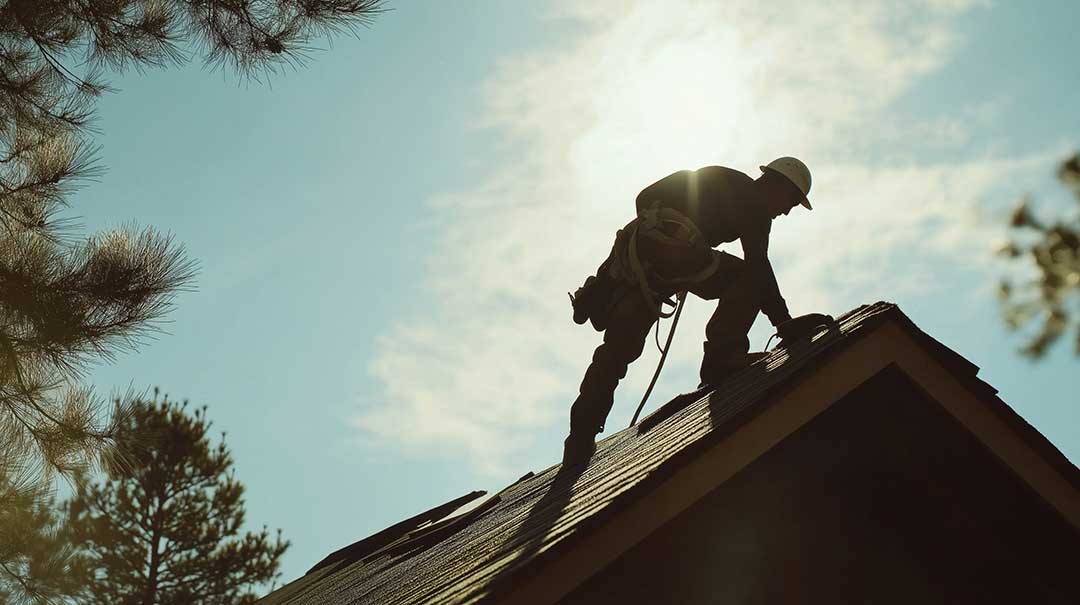
After wind storms, a careful walk-around (from the ground) is helpful:
- Inspect the roof visually for missing or displaced shingles, especially at the edges
- Look for debris accumulation in gutters, which can signal hidden damage
- Check the attic for wet insulation or staining
- Examine trees and landscaping for broken branches that may have impacted the roof
If safety allows, looking out an upstairs window at roof peaks or overhangs can help spot issues not visible from below.
Are There Steps Residents Can Take to Reduce Wind Damage?
A few practical routines help local households minimize risk:
- Have trees trimmed away from rooftops, especially before peak wind seasons
- Inspect and clear gutters and downspouts regularly to prevent water backup after shingles shift
- After major wind events, check for both visible and subtle signs of damage rather than waiting for leaks
Most minor maintenance tasks (like reattaching loose gutters or clearing debris) are manageable for residents. However, if suspected damage involves extensive shingle loss or exposed decking, it is safest for the homeowner to stay off the roof and consult a properly qualified professional to address the issue, as working from height always has risks.
How Should Wind Damage Be Documented for Insurance or Repair Needs?
If substantial damage is suspected — such as a visible loss of shingles or water intrusion indoors — take clear, dated photos from the ground or windows before moving anything. Document related interior issues, such as ceiling stains or damp insulation. This documentation helps support insurance claims and ensures repairs address all affected areas. Keep a brief written record of when the wind event occurred and when problems were discovered.
