

What Is Roof Decking and Why Is It Important?
Roof decking is the solid base, often made of plywood or oriented strand board (OSB), that sits between your home’s structural roof frame and the outer roofing materials. It supports shingles, underlayment, and helps maintain your roof’s shape and strength. For homes in Penfield, where fluctuating temperatures and seasonal weather extremes are routine, the roof decking plays a critical role in protecting against leaks and structural issues.
What Warning Signs Suggest Roof Decking Problems?
Several common signs signal roof decking trouble. Not all issues are immediately visible, but early detection can prevent major home repairs.
- Visible sagging between rafters or uneven roof lines
- Spots on ceilings or attic indicating water stains or rot
- A musty odor in attic spaces
- Noticeable increase in indoor humidity or humidity-related damage
- Unexplained new drafts or cold spots upstairs
Sometimes issues don’t show until heavy rain or melting snow occurs. In the city, wind-driven snow and ice dams can push water beneath shingles, making minor decking vulnerabilities worsen quickly.
Are Water Stains on Ceilings Always a Decking Issue?
Water stains are a warning sign but not proof of decking failure by themselves. They often signal a leak in the roof covering, flashing, or even ice damming. However, when stains are persistent or growing, it’s likely that water has penetrated under roofing and is damaging the decking underneath. In Penfield homes with older roofs or past leaks, these stains warrant a closer attic inspection for soft or warped wood.
How Do Penfield’s Climate and Weather Impact Roof Decking?
Local weather patterns can accelerate decking issues. Penfield experiences freeze-thaw cycles, heavy snow, and sudden storms. These conditions can:
- Cause trapped moisture under shingles, risking rot
- Freeze water in minor cracks, expanding damage
- Accelerate the aging of wood decking, especially if ventilation is poor
Routine ice dams in winter are especially hard on decking. Warm attic air melts snow, and then refreezing creates pools of water that can force moisture under the roof surface, leading to hidden rot.
What Should You Look for During an Attic Check?
Inspecting the attic is often the safest way to spot early decking issues. Key things to look for:
- Soft, spongy spots on the wood when pressed (indicates rot or severe moisture)
- Black streaks, mold, or mildew on wood surfaces
- Rusted, damp, or stained nails poking through the decking (shows repeated water exposure)
- Light shining through the decking, especially at joints and edges
Penfield’s humid summers and cold winters require good attic ventilation and insulation to keep moisture away from your deck boards.
How Does Shingle Damage Relate to Decking Condition?
Worn, missing, or buckled shingles aren’t just cosmetic—they can hint at issues below the surface. When shingles fail, moisture can reach the decking. Over time, this may lead to wavy rooflines or soft spots. In neighborhoods where roofs are over 20 years old, residents should be especially alert if large shingle sections start to curl, crack, or blow off during storms.
What Are Some Overlooked Causes of Decking Deterioration?
Not all decking damage is due to old age or roof leaks. Overlooked factors include:
- Poor attic ventilation, causing heat and moisture buildup
- Downspouts or gutters clogged with leaves, backing up water along roof edges
- Critters (like squirrels or raccoons) scratching or gnawing through roof structures
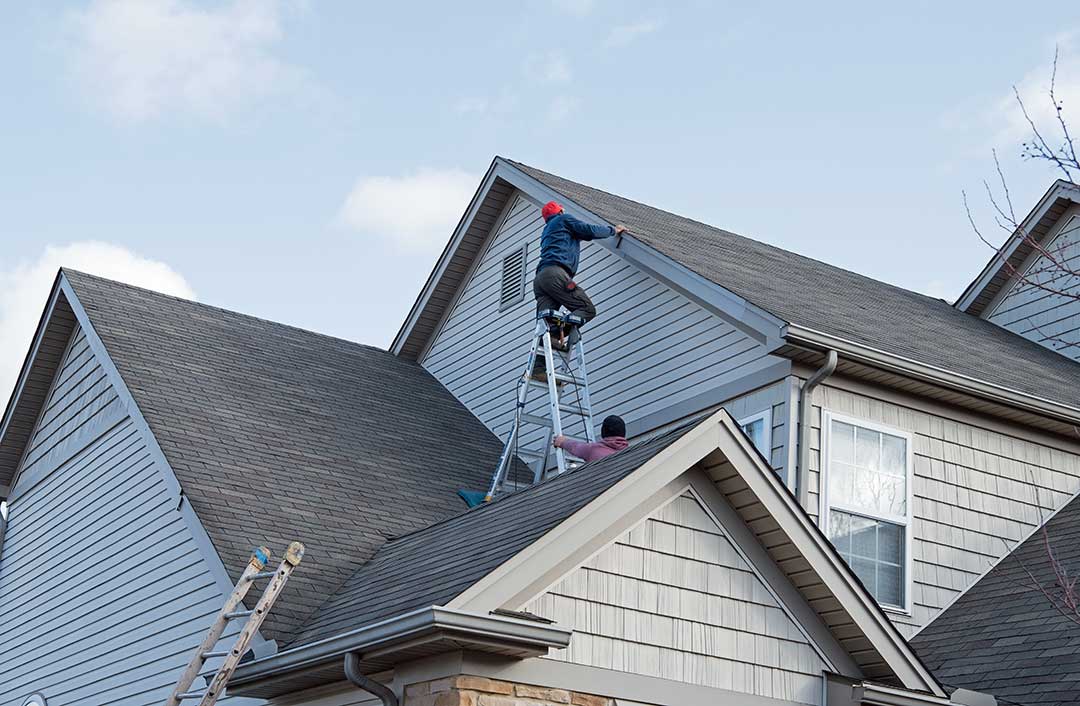
These problems can create hidden vulnerabilities that only show up when repairs or replacements are underway.
When Is Roof Decking Replacement Necessary?
Replacement is usually necessary if:
- Large sections feel soft or spongy underfoot
- The decking is visibly warped, split, or crumbling
- Mold or rot is widespread
In cases where only small, isolated patches are affected, targeted repair may be possible. In Penfield, code compliance may require full replacement if structural integrity is compromised during re-roofing projects.
What Are Some Common Misconceptions About Roof Decking?
A frequent misconception is that new shingles always fix roof problems. In reality, failing to address damaged decking underneath means new shingles won’t last. Another is believing decking issues only arise in very old homes. Even newer construction in local subdivisions can face premature decking wear from poor ventilation, ice dams, or improper installation.
What Can Penfield Homeowners Do to Maintain Healthy Roof Decking?
Preventative steps help avoid costly problems:
- Keep gutters and downspouts clear, especially before winter and spring
- Check attic for signs of leaks or poor ventilation twice a year
- Trim tree branches away from the roof to limit debris and wildlife access
- After major storms, look for new stains, leaks, or roofline changes
Careful attention to changing conditions can help area households spot trouble early—especially across older, tree-lined neighborhoods and homes with lower roof slopes.
