

How Do Solar Panels Affect Your Roof in Penfield, NY?
Solar panels can be a smart addition to area homes, but they have both short- and long-term effects on your roof. Most residential panels are secured directly to the roofing structure, which can benefit energy savings but also requires careful installation and planning.
In Penfield, roof materials like asphalt shingles and architectural shingles are common. These roofs can generally accommodate solar panels, but installers will need to penetrate the roofing material to anchor systems—potentially affecting the roof's waterproof barrier. Properly installed systems rarely leak, but even minor mistakes can lead to problems, especially with the freeze-thaw cycles that affect Penfield roofs.
Will Solar Panels Damage My Roof?
If installed correctly, solar panels should not damage most roofs in Penfield. The mounting process involves attaching brackets or racking, usually through the shingles and into the rafters or trusses. Quality installations use flashing and sealants to prevent water intrusion where bolts penetrate the roof.
For aging roofs—especially those over 15-20 years old—solar installation may accelerate underlying roof problems or reduce the remaining roof lifespan. It’s common for households to replace older roofing before adding panels to avoid needing to remove the panels when the roof itself requires replacement later.
What About Local Climate and Seasonal Concerns?
Penfield experiences snowy winters and dramatic seasonal shifts, which impact solar panel decisions.
- Snow Load: Panels are engineered to withstand normal snow loads in the area, but heavy accumulation can occur during severe winters. Panels may help shed snow faster than shingles due to their smooth surface and tilt.
- Ice Dams: Panels usually don’t cause ice dams, but their presence may alter water flow patterns. Any gaps or improper flashing near mounting hardware can worsen leaks or ice issues during freeze-thaw cycles.
- Hail & Wind: Newer panels are tested for resistance to both, but roof damage from falling limbs or wind-blown debris is still possible. Ensuring the roof is in solid shape before installation is key.
Should the Roof Be Replaced Before Adding Solar Panels?
Area residents frequently ask if they should delay solar installation until after a reroofing project. If your roof is relatively new and in good repair, it likely won’t need replacement beforehand. If your roof is nearing the end of its expected lifespan, it is typically more cost-effective to replace it before panels are installed. This avoids the added labor and cost of uninstalling and reinstalling the panels down the road.
Asphalt shingle roofs in the city generally last 18-25 years, while metal or composite roofs may last longer. Always check your roof’s warranty—installing panels may affect some manufacturer warranties, particularly if modifications or penetrations are involved.
How Do Permits and Inspection Work for Solar in Penfield?
Solar projects on homes in the city are subject to local permitting and inspection standards. Homeowners can review requirements on the official municipal website or by contacting the building codes office.
Permits ensure:
- The roof and structural supports are adequate for the added weight of solar systems.
- Installations comply with local wind, fire, and electrical codes.
- Roof access is preserved for firefighters and maintenance.
Some homes with unusual rooflines or older framing may need additional engineering review to verify the roof can safely handle added loads—especially if adding batteries or larger systems.
What Roof Types Work Best With Solar Panels?
Most homes in the area feature pitched roofs with asphalt shingles, which are well-suited for solar installations. Other roof types can also support panels, but each comes with unique considerations:
- Asphalt Shingles: Most common; easy to seal around penetrations.
- Metal Standing Seam: Allows mounting with clamps instead of bolts, reducing roof penetrations.
- EPDM/Rubber or Flat Roofs: Usually found on additions or certain styles of homes; require ballasted (weighted) racking systems.
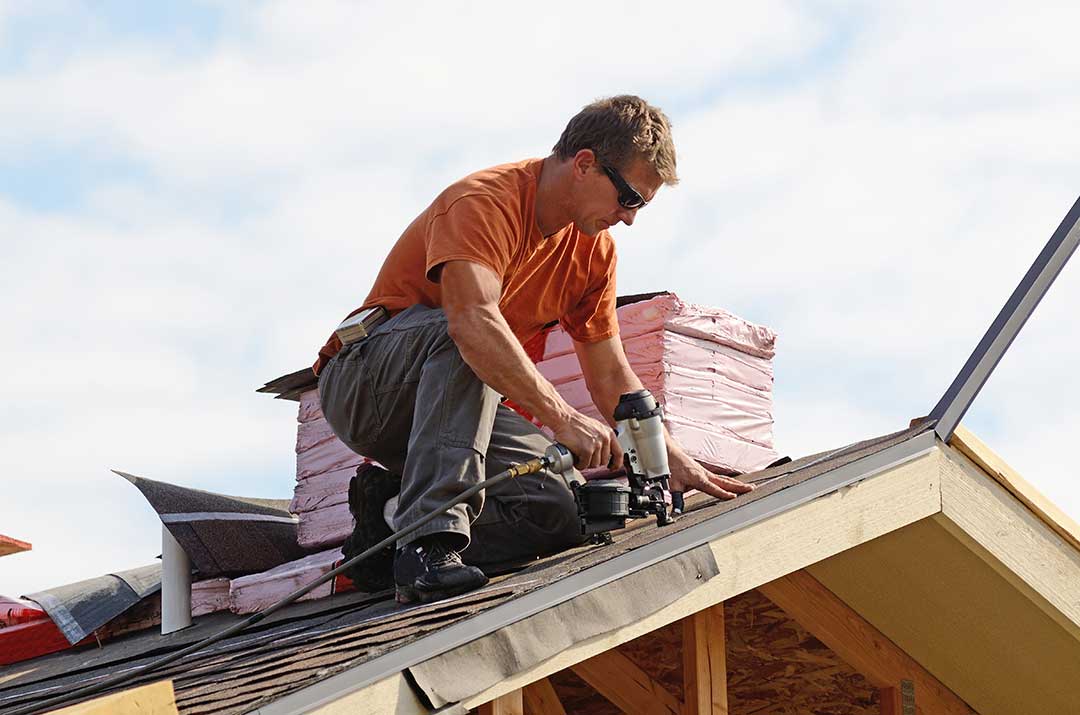
Slate, cedar shake, or clay tile roofs are trickier, as they can crack during installation and are more costly to repair after mounting hardware is attached.
What Are Common Misconceptions About Solar and Roofs?
Here are a few misunderstandings local homeowners often have:
- Solar panels do not make the roof warmer in winter in any meaningful way.
- Having panels does not make roof leaks impossible; panels simply cover the surface and require proper sealing.
- Removing snow from panels on the roof is generally not recommended, as walking on icy panels or shingles is dangerous.
- Solar panels are not “one size fits all”—panel placement, tilt, and surrounding shade from trees must all be considered.
What Ongoing Maintenance Is Needed?
Most solar panel owners in Penfield need only basic roof maintenance. Panels themselves are low-maintenance, but gutters and roof areas under and around panels may accumulate extra debris, especially if tree cover is nearby. Keep gutters clear for proper drainage, and periodically inspect both the panels and visible roof areas for signs of wear or animal activity.
If roof repairs become necessary, panels in the work area may need temporary removal and reinstallation, requiring coordination with a qualified solar technician.
Practical Tips for Penfield Residents Considering Solar
- Have your roof professionally inspected before any solar project to identify areas of concern.
- Know your roof’s age and expected lifespan, and factor panel removal costs into future reroofing plans.
- Review warranty terms for both your roofing material and solar equipment.
- Stay informed about local permit requirements and neighborhood association guidelines.
Residents in the city can maximize the benefits of solar systems while protecting their home’s value by taking a thoughtful, informed approach to their roofing and energy choices.
