
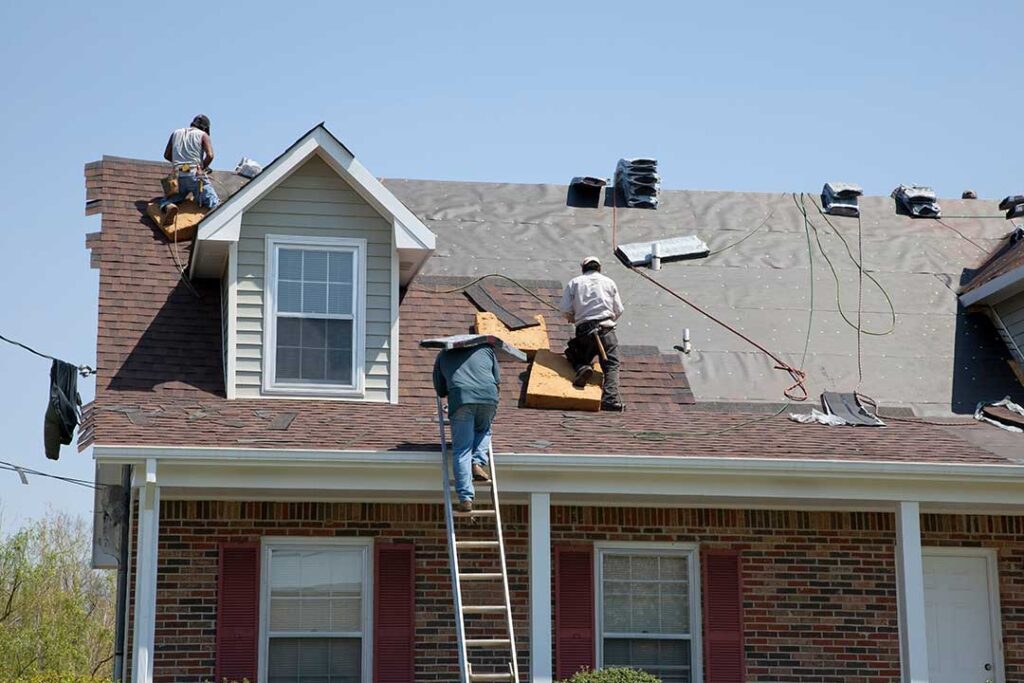
Walking on a roof is sometimes necessary for inspection, maintenance, or retrieving an item, but it is never risk-free. Roof surfaces can be steep, fragile, wet, icy, or damaged in ways that are not visible from the ground. For many household tasks, the safest choice is to avoid stepping onto the roof and use a ground-based inspection instead.
Is it safe for a homeowner to walk on a roof?
It may be possible to walk safely on a roof only when the surface is dry, stable, accessible, and shallow enough for controlled movement. Even then, fall hazards, hidden damage, and weak roofing materials can make the task dangerous.
Do not walk on a roof if:
- Rain, frost, snow, ice, or heavy dew is present
- Wind could affect balance or ladder stability
- The roof has a steep pitch or limited footholds
- Shingles are cracked, loose, brittle, or visibly damaged
- There are skylights, solar equipment, antennas, or electrical lines nearby
- The roof edge is not protected from a fall
- You feel uncertain about the roof’s condition or your ability to move safely
In Penfield, NY, changing weather can make roof surfaces unpredictable. Spring moisture, summer heat, autumn leaves, and winter freeze-thaw cycles all affect traction and roofing materials. A roof that appears dry from the ground may still be damp in shaded areas.
What should be checked before climbing?
A careful ground inspection should come first. Look for the safest access point, obvious damage, and hazards around the roof.
Check the following:
- The ground beneath the ladder for mud, ice, landscaping obstacles, or uneven soil
- The ladder’s condition, including bent rails, damaged rungs, and worn feet
- Overhead utility lines and nearby branches
- Roof edges, valleys, dormers, skylights, and other areas where falls are more likely
- Loose gutters, damaged fascia, or unstable trim
- Areas where snow, ice, or roof debris may slide
Never climb during a storm or shortly after strong winds if branches, roofing materials, or other objects may be unstable. If a roof has suffered storm damage, walking on it can worsen the damage and increase the chance of falling through a weakened area.
How should a ladder be placed?
A ladder should stand on firm, level ground and extend above the roof edge far enough to provide a secure handhold while stepping onto or off the roof. The ladder must not rest against gutters, downspouts, loose trim, or other components that may not support its weight.
Before climbing:
- Fully open and lock a step ladder, or secure an extension ladder according to its instructions
- Keep the ladder away from electrical lines
- Maintain three points of contact while climbing
- Face the ladder and keep both hands available when possible
- Avoid carrying tools in your hands; use a belt or hoist line instead
- Do not climb while wearing loose clothing, slick-soled footwear, or anything that limits vision
A ladder is not a substitute for fall protection. If the roof requires a difficult transition, has a steep slope, or lacks a stable walking path, climbing should stop.
What footwear is safest?
Wear clean, soft-soled shoes with good traction and a secure fit. Footwear should be free of mud, gravel, oil, and wet leaves before stepping onto the roof.
Avoid:
- Smooth-soled shoes
- Heavy work boots with aggressive edges that may damage shingles
- Sandals or shoes with loose straps
- Bare feet
- Footwear covered in snow or ice
Even good shoes cannot provide reliable traction on wet asphalt shingles, metal roofing, algae-covered surfaces, or frost. Traction decreases quickly when roof granules, dirt, or moisture are present.
Where should a person step?
If roof access is unavoidable, step carefully and place each foot deliberately. On asphalt shingles, walk on the lower portions of the shingle tabs where the surface is generally more supported. Avoid stepping directly on exposed edges, loose tabs, ridges, valleys, flashing, and areas that appear raised or sunken.
Do not step on:
- Skylights, even if they appear strong or transparent
- Plastic roof vents
- Damaged or curled shingles
- Soft spots or areas with visible sagging
- Gutter covers or unsupported gutter sections
- Sheet metal flashing
- Snow-covered sections where the surface cannot be seen

Roof valleys and areas near chimneys can collect water, leaves, and ice. These locations may be slippery or conceal deterioration. Move slowly and avoid sudden turns, jumping, or walking backward.
How can roof damage be avoided?
Roofing materials are not designed to serve as ordinary walking surfaces. Repeated foot traffic can loosen shingle tabs, remove protective granules, bend metal panels, crack brittle sealants, and damage flashing.
To reduce damage:
- Walk only where necessary
- Keep weight distributed evenly
- Do not drag ladders, tools, or equipment across the surface
- Avoid kneeling or placing sharp objects on shingles
- Do not press on roof vents, pipe boots, skylights, or flashing
- Never use the roof as a storage area
Older roofs require extra caution because asphalt shingles become less flexible with age and exposure. During hot summer weather, shingles may soften and scuff easily. During cold weather, they can become brittle and crack under pressure.
What about snow, ice, and cold-weather conditions?
Snow and ice create two separate hazards: slipping and hidden roof damage. A layer of snow can conceal skylights, weak areas, roof edges, and uneven surfaces. Ice may form beneath snow or along eaves where melting and refreezing occur.
Walking on a snow-covered roof is especially hazardous because:
- Foot placement cannot be confirmed
- Snow can slide suddenly
- Ice may be hidden below the surface
- The roof edge may be difficult to identify
- A fall may carry a person over the edge or into lower-level structures
Snow removal from a roof should not be attempted casually. Improper tools or force can damage shingles and create falling ice hazards below. Ground-level observation is safer unless the work is performed with suitable fall protection and equipment.
Should someone be nearby?
Yes. A second person should know that roof access is taking place and remain close enough to summon help. However, another person standing on the ground cannot stop a fall or replace proper fall protection.
Keep a phone accessible, but do not climb while distracted by calls or messages. Children and pets should remain away from the ladder and the area below the work zone. Tools or debris dropped from a roof can cause serious injuries.
If a fall occurs, do not assume the person is uninjured simply because they can stand. Head, neck, back, and internal injuries may not be immediately obvious. Seek emergency medical assistance after a significant fall, especially if there is confusion, severe pain, loss of consciousness, difficulty breathing, or trouble moving.
When should roof access be avoided entirely?
Roof access should be avoided when the roof is steep, wet, icy, snow-covered, visibly damaged, or difficult to reach. It should also be avoided if the task requires leaning over an edge, crossing a slick surface, working near electrical hazards, or carrying heavy equipment.
Many inspections can be completed from the ground with binoculars or photographs taken from a safe location. Missing shingles, exposed underlayment, damaged flashing, clogged valleys, and sagging areas may be visible without climbing. A trained roofing worker with appropriate fall-protection equipment is needed when the roof condition or access route creates a serious hazard.
The safest roof visit is brief, planned, and limited to a stable area. If conditions change—such as increasing wind, rising moisture, or shifting footing—leave the roof using the same controlled route used to enter.
