
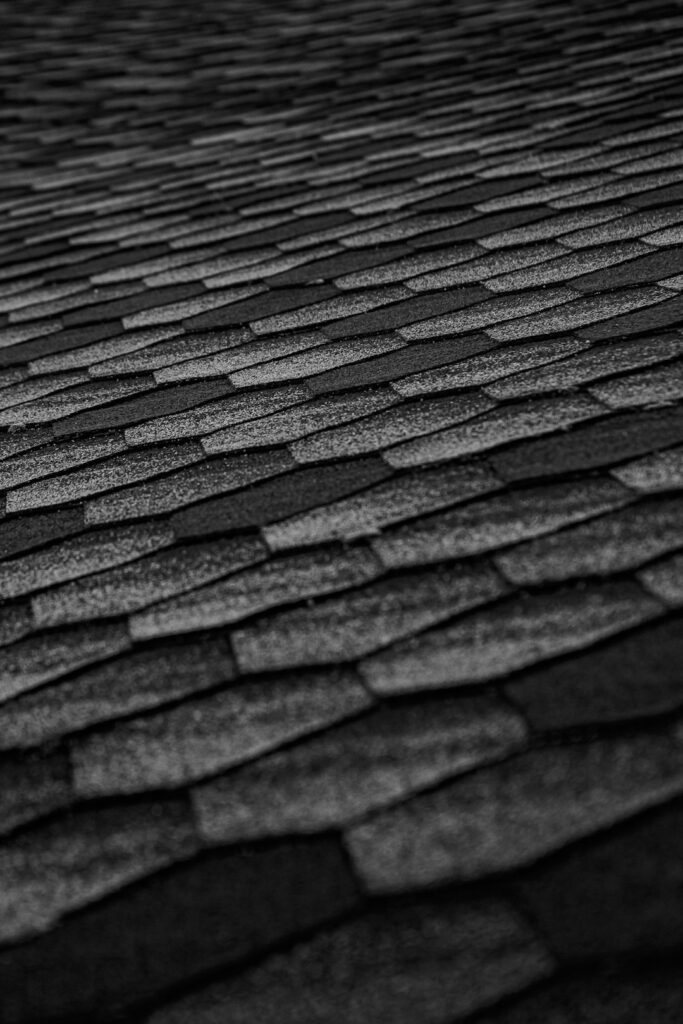
Can replacement shingles ever match an existing roof exactly?
A replacement shingle can often blend closely with an existing roof, but an exact match is not always possible. Even shingles from the same manufacturer and color line may look different after years of sun exposure, weathering, moisture, and seasonal temperature changes.
Matching involves more than comparing color. The replacement must also be compatible in size, profile, texture, exposure, installation method, and condition with the shingles already on the roof.
For homeowners in Penfield, NY, this issue is especially common because roofs experience strong seasonal changes. Summer heat, winter cold, wind, snow, ice, and repeated freeze-thaw cycles can gradually alter the appearance of asphalt shingles.
What information is needed to identify a matching shingle?
The most useful starting point is the original shingle packaging, installation paperwork, or a leftover bundle stored in a garage, attic, or shed. The bundle label may identify the manufacturer, product line, color name, and sometimes the production period.
If those records are unavailable, examine the roof closely and record:
- Shingle color and color blend
- Shingle shape, such as architectural or three-tab
- Approximate shingle dimensions
- Number of exposed courses
- Surface texture and shadow lines
- Granule size and distribution
- Thickness and stiffness
- Manufacturer markings on the back of a loose shingle
- Approximate roof installation date
A roof photograph can help with general comparison, but a loose shingle is more useful. Looking at the roof from the ground may hide differences in profile or exposure that become obvious when a shingle is placed beside the existing material.
Why does the same shingle color look different after several years?
Roofing granules lose some of their original appearance over time. Ultraviolet light can fade darker tones, while airborne dust, pollen, algae, tree debris, and water runoff may create darker or lighter areas.
Weathering is not always uniform. A south-facing slope may fade faster than a shaded slope. Areas near valleys, roof edges, chimneys, and plumbing penetrations may collect more debris or receive more concentrated water flow. A replacement on one roof slope may therefore look noticeably different from the same replacement on another slope.
The apparent color also changes depending on lighting and viewing angle. A sample that looks close on a cloudy day may appear more noticeable in bright sunlight. Wet shingles can look darker than dry shingles, and a new shingle’s sharper granule pattern may stand out beside older material.
Should the exact color be prioritized over the shingle type?
No. Structural compatibility usually matters more than a near-perfect color match.
A replacement should generally have a similar:
- Shingle style and profile
- Thickness and flexibility
- Exposure width
- Tab or locking arrangement
- Nail placement
- Wind-resistance design
- Method of sealing to adjacent shingles
For example, placing a thin three-tab shingle beside a thicker architectural shingle may create an uneven surface, even if the colors appear similar. Differences in thickness can affect water shedding, edge alignment, and how well the new material lies flat.
A slightly imperfect color match is usually less troublesome than a visually similar shingle that does not fit the existing roof system correctly.
Can a single damaged shingle be replaced without disturbing nearby shingles?
Sometimes, but the surrounding shingles may need to be loosened carefully. Asphalt shingles overlap in courses, and their seal strips can bond together after years of heat and weather exposure.
Removing one shingle may require lifting the shingles above it and releasing fasteners without tearing the surrounding material. Older shingles can become brittle, especially during cold weather. If nearby shingles crack, lose granules, or no longer reseal properly, a small repair can become a larger repair area.
The replacement shingle also needs to be fastened in the correct location. Nails placed too high, too low, or too close to an edge can reduce holding strength or create a path for water. A shingle that is not sealed may remain vulnerable to wind until warm weather allows the adhesive strip to bond.
What if the original shingle is discontinued?
Discontinued shingles can sometimes be found through leftover building materials, old inventory, or unused bundles from the original installation. The condition of the stored material matters. Shingles kept in extreme heat, freezing temperatures, or damp conditions may be damaged even if they appear unused.
If an exact product cannot be found, the closest practical substitute should match the roof’s:
- Basic shingle style
- Approximate dimensions
- Thickness
- Exposure
- Surface texture
- Color family

A close color match may be more difficult than expected because many modern shingles use multiple granule colors. A solid gray, brown, or black appearance from a distance may actually contain several tones that produce a specific blended effect.
For a visible repair, it may be better to use shingles from a less noticeable area of the roof and place the closest new material in that location. This approach can reduce contrast, but it should not involve moving material in a way that weakens the roof or leaves an unprotected area.
Is it possible to match shingles from a photograph?
A photograph can narrow the choices but should not be treated as proof of an exact match. Camera settings, sunlight, shadows, wet surfaces, and screen displays can all change how a color appears.
A useful comparison involves viewing physical samples:
- Beside an older shingle
- In direct and indirect daylight
- From several feet away
- From the normal viewing angle below the roof
- On both dry and slightly shaded portions of the roof
The goal is not always to find a sample that looks identical up close. Some color differences become less visible from the ground, while texture and profile differences may remain obvious.
When is spot matching no longer practical?
Spot replacement becomes less practical when the roof has widespread damage, advanced brittleness, missing granules, curling, or repeated leaks. If shingles around the damaged area are deteriorating, removing them may cause additional breakage.
A roof with several visible repair areas may also develop a patchwork appearance, particularly when the original shingles are weathered unevenly. In that situation, matching should be evaluated as part of a broader roof condition assessment rather than as a simple color search.
Local winter conditions make this distinction useful. A repair that appears acceptable during mild weather may perform poorly if old shingles cannot flex during cold temperatures or if a replacement does not seal before a period of wind and snow.
What should homeowners check before accepting a replacement match?
Before installing replacement shingles, compare more than the color name. Confirm that the material is suitable for the existing roof design and that the repair will preserve proper overlap, drainage, fastening, and sealing.
Ask these practical questions:
- Does the replacement have the same general profile?
- Is the exposed portion the same width?
- Does its thickness align with nearby shingles?
- Is the color being judged in natural light?
- Are nearby shingles flexible enough to be lifted safely?
- Will the repair leave intact seal strips and proper water-shedding layers?
- Is the roof old enough that additional shingles may become brittle during the work?
A careful match is a combination of appearance and function. The most successful repairs blend the new material into the roof while maintaining the layered design that directs rain, melting snow, and ice-related moisture away from the underlying structure.
