

Renovation work can protect a home’s value and comfort, but the process may expose the roof to damage. Materials, ladders, temporary coverings, foot traffic, dust, and changing weather can all create problems if the roof is not included in the project plan.
For households in Penfield, NY, renovation timing deserves extra attention. Snow, freezing temperatures, spring rain, summer storms, and autumn debris can affect both the roof and the work itself. A few preventive steps can reduce the risk of leaks, damaged shingles, clogged drainage, and expensive repairs.
Which renovation projects can put a roof at risk?
Roof damage is not limited to roofing work. Many common projects can affect the roof indirectly.
Exterior projects such as additions, dormers, skylights, solar-related work, chimney repairs, and siding replacement may require people or materials to be placed on or near the roof. Interior renovations can also create hazards when workers need to carry materials through attic spaces or install new vents, plumbing, wiring, or ductwork.
Projects with elevated risk include:
- Room additions that connect new walls to existing roof surfaces
- Bathroom or kitchen renovations that require new plumbing vents
- Attic conversions involving insulation, wiring, flooring, or windows
- Window replacement near roof edges
- Chimney, masonry, or flashing repairs
- Deck, porch, and second-story construction
- Exterior painting or siding work requiring ladders
- Tree removal or trimming near the roof
- Heating, cooling, or ventilation upgrades
The main concern is not simply whether workers step on the roof. Damage can occur when tools slide, fasteners are dropped, protective materials trap moisture, or new penetrations are made without proper flashing.
Should the roof be inspected before renovation begins?
Yes. A pre-renovation inspection helps identify existing weaknesses before construction activity begins. It also prevents an old leak or damaged flashing detail from being mistaken for renovation-related damage later.
The inspection should look for:
- Loose, cracked, curled, or missing shingles
- Aging sealant around vents, chimneys, and skylights
- Soft areas in roof decking
- Damaged pipe boots or metal flashing
- Blocked or poorly draining gutters
- Moss, heavy debris, or standing water
- Attic moisture, staining, or daylight visible through the roof
- Weak areas near planned ladders, walkways, or material staging
Existing conditions should be photographed and documented. If the roof is already near the end of its service life, a renovation may be the wrong time to add repeated foot traffic or new penetrations without first addressing its condition.
How can workers avoid damaging shingles and roof decking?
The safest approach is to limit roof access and establish specific walking paths. Roofing materials are not designed to withstand unlimited foot traffic, especially during cold weather when shingles may be brittle.
Workers should avoid:
- Walking on steep, wet, icy, or frost-covered surfaces
- Dragging lumber, metal, tools, or equipment across shingles
- Placing ladders directly against gutters or unsupported roof edges
- Tossing debris onto roof surfaces
- Leaving nails, screws, or sharp fragments behind
- Cutting materials over the roof
- Stacking heavy materials in one concentrated area
Ladders should rest on stable ground and be secured according to safe-work practices. Roof jacks, planks, scaffolding, or other access systems may be needed for work near an edge or on a steep slope. A sheet of plywood placed casually over shingles is not automatically adequate protection; it can shift, trap moisture, or concentrate weight.
What should be used to protect the roof during construction?
Protection should match the type of work and the amount of exposure. Durable walk boards or properly supported platforms are generally safer than loose tarps, cardboard, or thin plastic sheets. Any covering should be secured without creating new punctures or allowing water to collect beneath it.
Temporary protection should:
- Keep roof surfaces exposed to as little traffic as practical
- Allow water to drain normally
- Avoid blocking vents, valleys, gutters, or downspouts
- Remain secure in wind
- Be removed promptly when no longer needed
- Be checked after heavy rain, strong wind, or freeze-thaw conditions
Tarps can help during an emergency but are not a substitute for a properly planned temporary roof covering. A poorly installed tarp may flap against shingles, pull on flashing, or direct water into walls and attic spaces.
How should roof penetrations be handled?
Any new pipe, vent, skylight, antenna, or structural connection must be planned before the work begins. Cutting through a roof surface without coordinating the flashing can lead to leaks that appear days or months later.
Each penetration needs a water-shedding design. That typically includes compatible flashing, appropriate underlayment, and a method that integrates with the existing roofing material. Sealant alone is not a complete flashing system because sealants can shrink, crack, or separate from the surrounding surface.
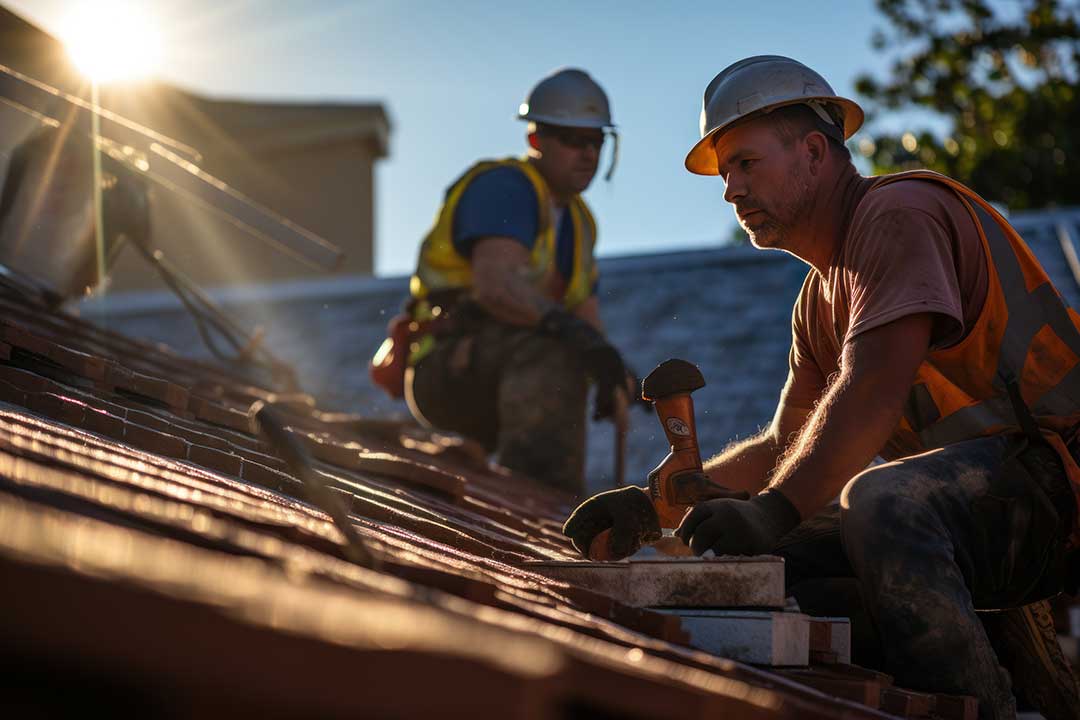
Renovation plans should identify:
- The exact location of each penetration
- Whether framing must be reinforced
- How existing underlayment will be tied into new materials
- How water will move around the opening
- Whether attic ventilation will be blocked or altered
- Who will inspect the area before it is covered
Photographs of concealed flashing and penetrations are useful for future maintenance records.
How can materials and debris be kept from causing damage?
Material staging is a major source of avoidable roof stress. Bundles of shingles, lumber, masonry products, and equipment should not be placed on a roof unless the structure and distribution method have been evaluated.
Ground-level staging is preferable where space allows. If materials must be elevated, they should be distributed rather than concentrated in one location. Workers should also use collection systems for nails, screws, sawdust, insulation, and demolition debris.
After each workday, inspect the areas below roof edges, around gutters, and near downspouts. Small fasteners can puncture tires, damage lawn equipment, clog drainage, or become hidden in landscaping. Debris in gutters can cause water to overflow against fascia, siding, windows, and foundation areas.
What weather conditions require extra caution?
Weather can change the risk level quickly. In the colder months, shingles may become less flexible, and ice can make roof access dangerous. During warm weather, strong sun can soften some roofing materials and increase the risk of scuffing or tearing. Rain can enter through partially completed work, while wind can lift unsecured coverings and materials.
Before each work period, check for:
- Rain or thunderstorms
- Strong wind
- Frost, ice, or snow
- Rapid temperature changes
- Forecast conditions that could continue after workers leave
A roof opening should never be left exposed overnight unless it has been properly protected against wind-driven rain and melting snow. In Penfield, freeze-thaw cycles can be particularly hard on temporary repairs and unsecured coverings because water may enter small gaps, freeze, expand, and enlarge them.
What should homeowners check after renovation work is complete?
A final roof check should occur before scaffolding, debris containers, or other access equipment are removed. The review should include both the roof surface and the attic.
Look for:
- New or displaced shingles
- Fresh punctures or exposed fasteners
- Bent flashing
- Damaged gutters or downspouts
- Loose ridge, soffit, or roof vents
- Debris in valleys and drainage channels
- Water stains, damp insulation, or unusual attic odors
- Daylight visible around new penetrations
After the first significant rain, inspect ceilings, attic areas, and upper wall corners for moisture. Some leaks do not appear directly below the damaged location because water can travel along rafters, decking, insulation, or framing.
A renovation plan that treats the roof as part of the building envelope—not merely a surface used for access—helps protect the rest of the home. Careful staging, limited foot traffic, proper flashing, weather-aware scheduling, and a documented final inspection can prevent construction work from creating roof problems that surface long after the project is finished.
