
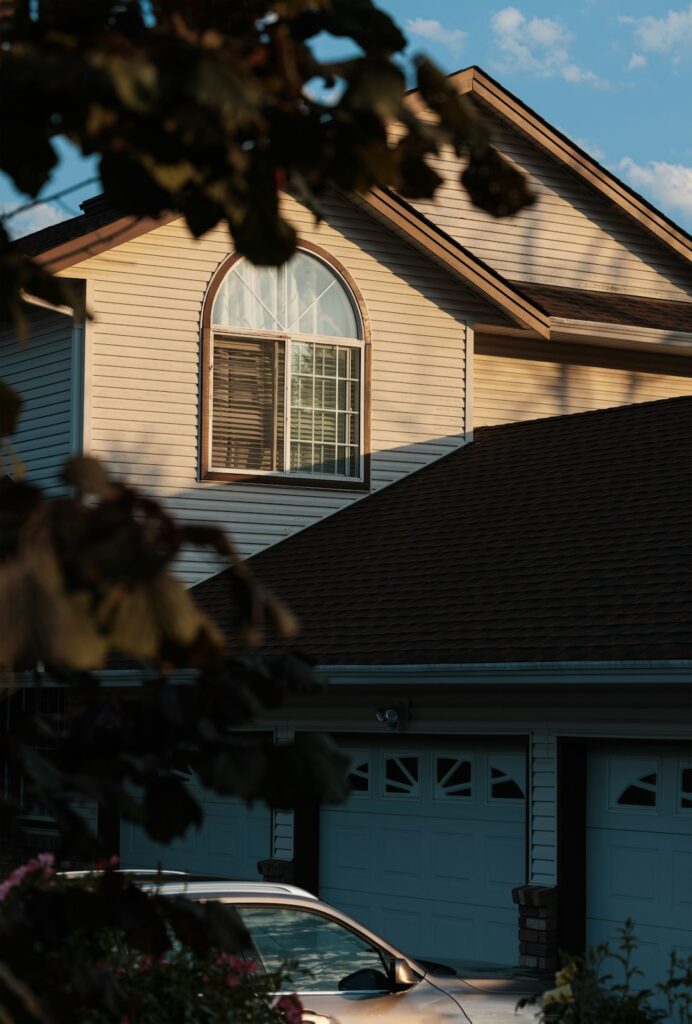
Cool roofs are designed to reflect more sunlight and absorb less heat than conventional dark roofing materials. For households in Penfield, NY, that can mean a cooler attic, less heat entering upper rooms, and reduced air-conditioning demand during sunny summer weather.
The benefits are real, but they depend on the roof design, insulation, ventilation, building use, and the type of cooling system. A cool roof is not a substitute for sound roofing or adequate insulation. It is one part of a larger approach to managing heat and energy use.
What is a cool roof?
A cool roof uses materials or coatings with two key characteristics: high solar reflectance and high thermal emittance.
Solar reflectance describes how much sunlight the surface sends away instead of absorbing. Thermal emittance describes how effectively the roof releases heat after it has warmed. A roof with both qualities stays cooler in direct sun than a similar roof that absorbs more solar energy.
Cool roofing can include:
- Light-colored asphalt shingles
- Reflective metal roofing
- Single-ply membranes used on low-slope roofs
- Reflective roof coatings
- Certain tiles, panels, and specialty roofing products
The color alone does not tell the whole story. Some darker roofing products are engineered to reflect more solar energy than standard dark materials, while some light-colored products may perform differently depending on their surface and construction.
How can a cool roof lower indoor temperatures?
A roof exposed to strong summer sun can become much hotter than the surrounding air. Some of that heat moves through the roof assembly into the attic and living spaces below.
A reflective roof absorbs less heat, so the roof deck and attic may not become as hot during the afternoon. This can help upper-floor rooms feel more comfortable, particularly in homes with:
- Finished attic areas
- Bedrooms directly beneath the roof
- Limited attic insulation
- Ductwork located in the attic
- Large roof areas with little shade
The effect is usually most noticeable during sunny, warm weather. A cool roof will not prevent indoor heat gain from windows, walls, appliances, or air leakage, so overall comfort also depends on insulation, air sealing, window shading, and ventilation.
Can cool roofs reduce energy use?
They can, especially in buildings that use air conditioning and have limited insulation. By reducing heat entering the building, a cool roof may reduce the amount of work required from the cooling system.
The potential savings are not the same for every home. They are generally greater when:
- The roof receives strong afternoon sun
- The building has a large roof area
- The upper floor becomes noticeably warmer than the rest of the home
- The attic or roof assembly has modest insulation
- Air conditioning operates frequently
- The roofing material has strong reflective and emissive properties
In Penfield, summer cooling is only part of the yearly energy picture. Homes also need heat during the colder months, so roof selection should be evaluated across all seasons. A reflective roof may provide less winter benefit than it provides summer benefit, particularly if the home already has efficient insulation and heating.
Are cool roofs useful in a four-season climate?
Yes, but the value may be more moderate than in very hot, sunny regions. Cool roofs tend to produce their clearest energy savings in climates with long, intense cooling seasons. In a four-season area, the benefit is concentrated in the warmer part of the year.
That does not make the approach unsuitable. Reducing attic temperatures can still improve summer comfort and help limit afternoon cooling demand. However, a homeowner should not assume that a cool roof will automatically lower total annual utility costs.
For many existing homes, attic insulation and air sealing may provide a more consistent year-round benefit because they help retain heat in winter and limit heat gain in summer. Roofing reflectivity is most useful when considered alongside those measures.
Do cool roofs last longer?
Lower surface temperatures may reduce some forms of thermal stress. Roofing materials repeatedly expand and contract as temperatures change, and high heat can accelerate aging in certain products. Reflective surfaces may also reduce exposure to intense ultraviolet-related degradation.
That does not guarantee a longer service life. Roof longevity still depends on material quality, installation, drainage, attic moisture control, foot traffic, snow and ice conditions, wind exposure, and maintenance.
A reflective coating also has its own limitations. Dust, biological growth, weathering, and surface wear can reduce reflectivity over time. Coatings must be compatible with the existing roof and applied only when the roof assembly is suitable for that treatment.
What are the environmental benefits?

A cool roof can reduce the amount of electricity used for air conditioning, which may lower the building’s associated emissions. It can also reduce the amount of heat released from roofs into the surrounding outdoor environment.
This matters most across groups of buildings. When many roofs absorb less sunlight, outdoor surfaces may contribute less to localized heat buildup during warm weather. The effect is usually more relevant in densely developed areas than in neighborhoods with abundant shade and open ground.
For an individual household, the practical environmental benefit is usually connected to lower cooling demand, longer-lasting materials in some situations, and avoiding premature roof replacement when a compatible restoration is possible.
What are the limitations of cool roofs?
A cool roof cannot correct an active leak, poor drainage, rotten sheathing, inadequate flashing, or a badly ventilated attic. Reflective materials also do not eliminate the need for proper insulation.
Potential limitations include:
- Lower savings in homes that rarely use air conditioning
- Limited benefit when the roof is heavily shaded
- Greater visual brightness than some homeowners prefer
- Reduced performance as a surface becomes dirty or weathered
- Compatibility concerns when applying coatings over older roofing
- Little effect on rooms heated by other sources of solar gain
A roof should be evaluated as a complete assembly rather than by color alone. The roof covering, underlayment, ventilation, insulation, air barrier, flashing, and drainage all influence performance.
Are cool roofs required in Penfield, NY?
Roofing work must follow the applicable New York State building and energy codes, along with any requirements administered locally. Whether a particular cool-roof feature is required depends on the building type, roof assembly, project scope, and code provisions in effect when the work is performed.
Requirements can differ between new construction, additions, reroofing, and repairs. Low-slope commercial-style roofs may also be treated differently from steep-slope residential roofs. Code questions should be checked against the current requirements before a roof replacement or major alteration.
What should homeowners compare?
A useful comparison includes more than shingle color. Review the product’s documented reflectance and emittance performance, expected service life, warranty conditions, compatibility with the roof design, and effect on attic ventilation.
It is also worth asking whether the home has:
- Adequate attic insulation
- Proper soffit and ridge or other approved ventilation
- Sealed penetrations around pipes, ducts, and wiring
- Functioning gutters and drainage
- Dark attic surfaces or ductwork that add heat
- Upper rooms that become uncomfortably warm
For an older home, correcting moisture, insulation, and ventilation problems may be more urgent than changing to a reflective roof. For a planned replacement, however, cool-roof materials can be a practical option for improving summer performance without changing the basic purpose of the roof.
